How to Prevent Cavities: Expert Tips From a Dentist
Most people know that brushing their teeth is important, but preventing cavities involves more than brushing twice a day. The foods you eat, how often you snack, whether you floss, and even when you visit your dentist can all affect your risk of tooth decay.
The good news is that cavities are often preventable. A few consistent habits can go a long way toward protecting your enamel and keeping your smile healthy.
At Clinton Dental, we believe cavity prevention should feel practical, not complicated. You do not need a perfect routine. You need a routine you can realistically maintain every day.
Whether you have never had a cavity or seem to get them despite taking care of your teeth, understanding how tooth decay develops can help you make smarter choices for your oral health.
What Causes Cavities?
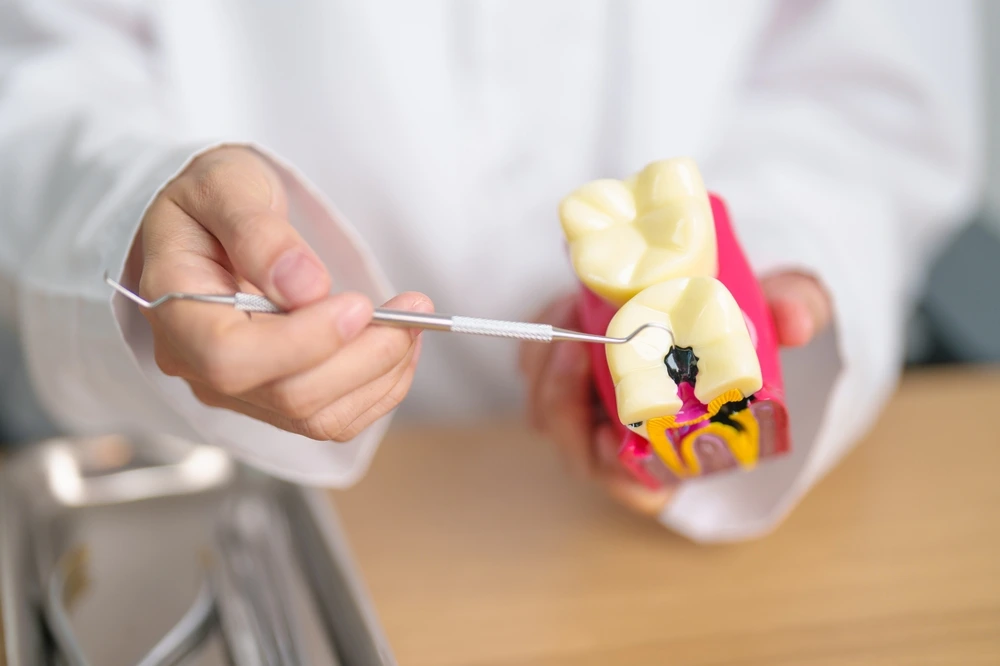
A cavity, also called dental caries or tooth decay, develops when acids gradually damage the hard outer surface of a tooth.
Your mouth contains bacteria that feed on sugars and carbohydrates from the foods and drinks you consume. These bacteria produce acids. When your teeth are repeatedly exposed to these acids, minerals can be removed from the enamel.
Your saliva helps neutralize acids and replace some of those minerals. However, if acid attacks happen frequently, your teeth may not have enough time to recover.
Eventually, a weakened area can develop into a cavity.
Why Some People Are More Prone to Cavities
Cavity risk varies from person to person. Factors that may increase your risk include:
- Frequent snacking
- Sugary or acidic drinks
- Poor brushing or flossing habits
- Dry mouth
- Certain medications
- Deep grooves in teeth
- Gum recession
- Previous cavities
- Not receiving regular dental care
Genetics can also influence certain aspects of your oral health, but daily habits still matter.
How to Prevent Cavities
The best cavity prevention strategy combines daily home care with professional dental care.
1. Brush Twice a Day With Fluoride Toothpaste
Brushing twice a day helps remove plaque and food particles from your teeth.
Use a soft-bristled toothbrush and fluoride toothpaste. Fluoride helps strengthen enamel and makes teeth more resistant to acid attacks.
Spend about two minutes brushing and make sure you clean all surfaces of your teeth, including the backs and chewing surfaces.
Brushing harder is not necessarily better. Aggressive brushing can irritate your gums and contribute to enamel or gum damage over time.
2. Clean Between Your Teeth Every Day
A toothbrush cannot effectively clean every space between your teeth.
Flossing or using another interdental cleaning method helps remove plaque and food from areas your toothbrush misses.
If traditional floss is difficult for you to use, ask your dentist about alternatives such as interdental brushes or water flossers.
The best method is the one you can use consistently and correctly.
3. Pay Attention to What You Drink
One of the easiest ways to reduce cavity risk is to rethink your beverages.
Soda, sports drinks, energy drinks, sweetened coffee, sweet tea, and fruit drinks can expose your teeth to sugar and acids.
Water is usually the simplest choice between meals.
If you do have a sugary or acidic beverage, avoid slowly sipping it for hours. Frequent exposure gives your teeth less time to recover between acid attacks.
4. Limit Frequent Snacking
It is not just what you eat that matters. How often you eat can also affect your teeth.
Every time you consume carbohydrates or sugars, bacteria can produce acids that affect your enamel.
Constant grazing throughout the day means your teeth may experience repeated acid exposure.
If you are hungry between meals, choose tooth-friendly options such as cheese, plain yogurt, vegetables, or nuts when appropriate for your diet.
5. Choose Foods That Support Oral Health
A balanced diet supports your overall health and can also benefit your teeth.
Crunchy vegetables, dairy products, lean proteins, and other nutrient-rich foods can be useful additions to a balanced diet.
Calcium and phosphorus are important minerals for teeth and bones. Your dentist can also discuss dietary considerations if you are at higher risk for tooth decay.
6. Do Not Ignore Dry Mouth
Saliva plays an important role in protecting your teeth. It helps wash away food particles, neutralize acids, and support the natural remineralization process.
Dry mouth can increase the risk of cavities because there is less saliva available to perform these protective functions.
Certain medications and health conditions can contribute to dry mouth.
If your mouth frequently feels dry, tell your dentist. Do not simply assume it is something you have to live with.
7. Visit Your Dentist Regularly
Professional dental cleanings remove plaque and tartar that brushing and flossing cannot completely eliminate.
Regular dental exams also allow your dentist to identify early signs of tooth decay, gum disease, enamel wear, and other oral health concerns.
Catching problems early can make treatment simpler.
What About Fluoride?
Fluoride is one of the most effective tools for cavity prevention.
It helps strengthen tooth enamel and can support the repair of early areas of mineral loss.
Most people receive fluoride through toothpaste and, depending on where they live and their individual needs, drinking water or professional fluoride treatments.
If you frequently develop cavities, ask your dentist whether additional fluoride protection may be appropriate.
Can Dental Sealants Prevent Cavities?
Dental sealants can provide an additional layer of protection, particularly on the chewing surfaces of back teeth.
Molars have grooves and pits where food and plaque can become trapped. A sealant covers these areas and makes them easier to keep clean.
Sealants are especially common in children and teenagers, but certain adults may also benefit.
Can You Reverse an Early Cavity?
Very early enamel changes may sometimes be managed before a true cavity forms. Fluoride, improved oral hygiene, and dietary changes can help support remineralization.
Once a cavity has progressed into a hole in the tooth, however, it generally requires dental treatment.
This is one reason regular dental examinations are important. Your dentist can identify problems before they become more extensive.
What Should You Do If You Keep Getting Cavities?
If you brush and floss regularly but still develop cavities, do not assume you are simply doing something wrong.
Your dentist may look at factors such as your diet, saliva flow, medications, brushing technique, fluoride exposure, existing dental work, and areas where plaque tends to accumulate.
A personalized cavity prevention plan can be much more useful than simply being told to brush better.
Protect Your Smile With Clinton Dental
Preventing cavities does not require an elaborate routine. Small habits practiced consistently can help protect your enamel and reduce your risk of tooth decay.
If it has been a while since your last dental exam, Clinton Dental can help you assess your oral health and create a personalized prevention plan.
Schedule an appointment with Clinton Dental and take a proactive step toward a healthier smile.
Frequently Asked Questions
How can I prevent cavities naturally?
Good oral hygiene, limiting frequent sugar exposure, drinking water, eating a balanced diet, and maintaining regular dental visits can all help reduce cavity risk. Fluoride is also an important evidence-based tool for preventing tooth decay.
How often should I brush my teeth to prevent cavities?
For most people, brushing twice a day with fluoride toothpaste is recommended. Brush for about two minutes each time.
Does flossing really prevent cavities?
Cleaning between your teeth removes plaque and food from areas your toothbrush cannot reach. This can help reduce the risk of tooth decay between teeth.
What is the best drink for preventing cavities?
Water is generally an excellent choice because it does not expose your teeth to added sugar and can help rinse away food particles.
Can sugar-free drinks cause cavities?
Sugar-free drinks may not contribute to cavities in the same way as sugary drinks, but some can be acidic and may contribute to enamel erosion. Water is usually the safest everyday choice for your teeth.
Are dental sealants worth it?
For appropriate patients, sealants can help protect the grooves and pits of teeth where plaque can accumulate. Your dentist can determine whether you are a good candidate.
Why do I get cavities even though I brush every day?
Brushing is important, but cavity risk also depends on flossing, diet, fluoride exposure, saliva, medications, dry mouth, and other factors.
Can a cavity go away on its own?
Very early enamel demineralization may sometimes be reversed or stabilized. A developed cavity generally cannot heal itself and may require restorative treatment.
How often should I visit the dentist?
The appropriate schedule depends on your oral health and individual risk factors. Your dentist can recommend an examination and cleaning schedule that fits your needs.
What toothpaste is best for cavity prevention?
A fluoride toothpaste is generally recommended for cavity prevention. If you have specific dental concerns, ask your dentist whether a particular type of toothpaste would be beneficial.
Contact Us
You can call us or fill out this form, and we will get back to you soon.
Email us at clintondentalma@gmail.com
Call us at (978) 733 0045
Schedule Your Visit!
*Name
*Phone Number
*Message
We are committed to providing high-quality dental care personalized to each patient's needs, using the latest technology and techniques.


OVERVIEW
SERVICES
OFFICE HOURS
Mon - Fri: 9:00am - 05:00pm
Saturday: By Appointment
Sunday: Closed
Privacy Policy | © 2025 Clinton Dental | All Rights Reserved | Website Design by Remedo