
When Is a Dental Crown Needed Instead of a Filling?
If you have ever sat in a dental chair watching your dentist look closely at your X-rays, you know the slight anxiety that comes before the diagnosis. Most of us hope to hear that we just need a simple, quick treatment. However, there are many times when a standard restoration is not enough to save a compromised tooth. Understanding why your dentist recommends one treatment over another can help you feel much more confident in managing your oral health.
Both options serve the vital purpose of restoring damaged teeth, but they do so in completely different ways. A restoration patches up a localized area of decay, while a full restoration completely covers and protects what remains of the natural structure. Choosing the right path is essential for the long-term survival of your tooth, your comfort, and your overall health.
Understanding the Basics of Restorative Care
To understand why one method is chosen over the other, it helps to look at how each treatment works and what it is designed to achieve.
What is a Dental Filling?
A filling is a conservative treatment used to repair minor damage. When a tooth experiences localized decay, the dentist removes the soft, infected portion and packs the empty space with a durable material. Today, tooth-colored composite resin is the most popular choice because it bonds directly to the natural structure and blends seamlessly with your smile. This process preserves as much of the original shape as possible and works beautifully when the surrounding walls remain strong and intact.
What is a Dental Crown?
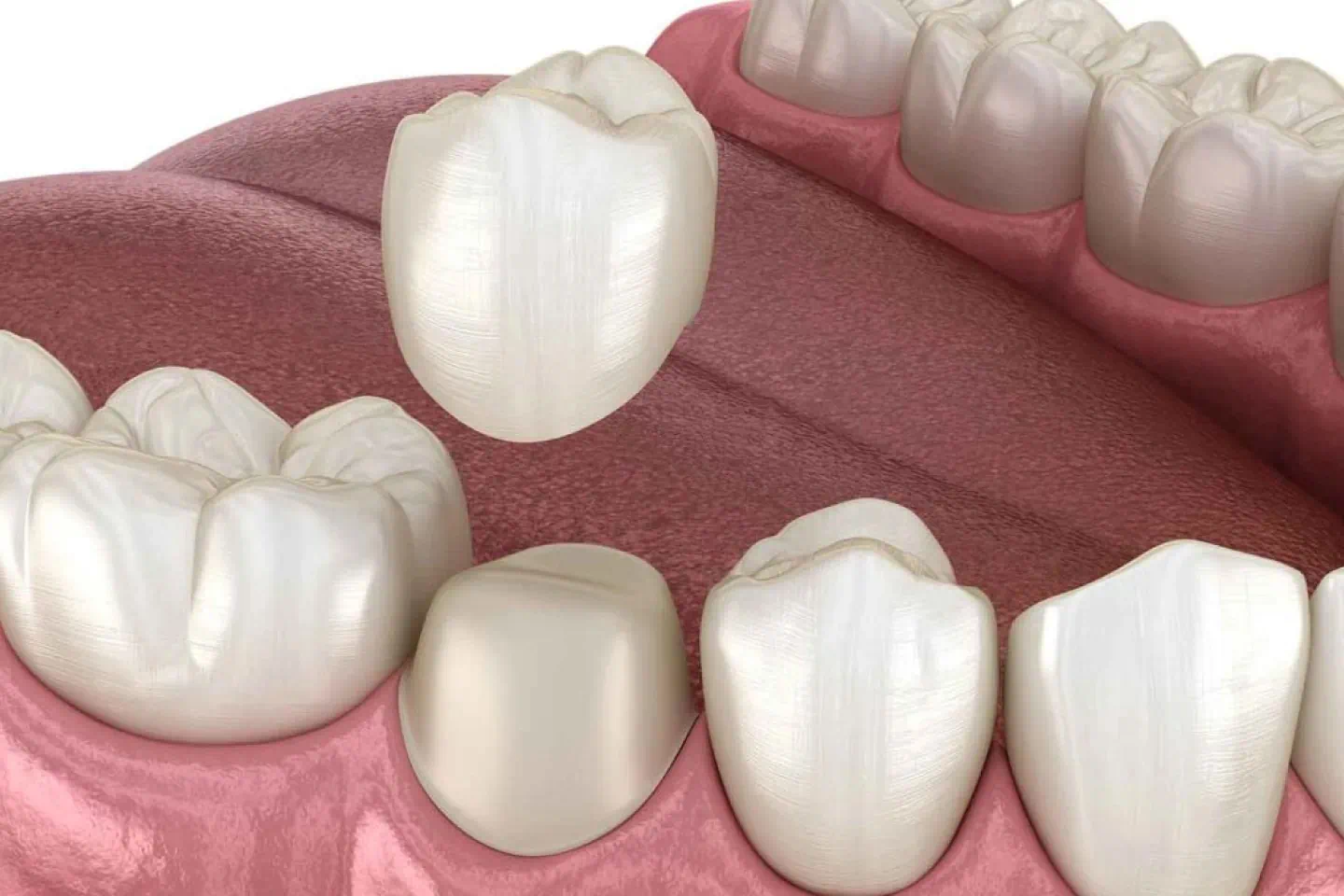
A crown, often referred to as a cap, is a custom-made restoration that completely encloses a damaged tooth above the gumline. Instead of sitting inside a cavity, it fits over the entire remaining structure to restore its original size, shape, and strength. These are typically crafted from high-quality porcelain, ceramic, or porcelain fused to metal, ensuring they look remarkably natural while enduring the immense pressure of daily chewing.
Key Signs You Need a Crown Instead of a Filling
Dentists do not make this decision randomly. They follow clear clinical guidelines based on the amount of healthy structure left, the forces the tooth must withstand, and the risk of future fractures.
Extensive Tooth Decay
When decay is left untreated for too long, it expands outward, consuming more of the enamel and dentin. If a cavity grows so large that it takes up more than half of the width of the tooth, a standard filling is no longer viable. Packing a massive amount of composite resin into a hollowed-out tooth leaves the remaining natural walls thin, fragile, and highly prone to breaking under normal biting pressure.
Cracked, Fractured, or Broken Teeth
A physical break in a tooth changes everything. While minor chips can be smoothed or bonded, structural cracks require significant intervention. If a tooth has a fracture line running through it, chewing acts like a wedge, forcing the crack deeper every time you bite down. A filling cannot hold a cracked tooth together; in fact, it can make the split worse. A crown acts like a strong protective girdle, binding the pieces together and absorbing the mechanical stress to prevent the split from reaching the root.
After a Root Canal Procedure
A root canal is a lifesaver for a tooth with an infected or dying nerve. During the procedure, the internal blood supply and pulp are entirely removed. Without its internal blood supply, the remaining structure gradually becomes brittle, dry, and fragile over time. Furthermore, accessing the inner chambers requires removing a significant amount of the tooth core. Because back teeth bear the brunt of our chewing forces, placing a crown after a root canal is standard practice to prevent the brittle structure from shattering.
Replacing Large, Aging Restorations
Dental materials do not last forever. Older restorations, especially large metal amalgam ones, can expand and contract with temperature changes over decades. This constant movement places immense stress on the surrounding natural structure, often causing microscopic fractures. When these old materials fail or new decay develops underneath them, there is usually very little healthy enamel left to support a new filling. Upgrading to a full cap is often the safest way to preserve the remaining structure.
Severe Wear and Alignment Issues
Many individuals suffer from chronic teeth grinding or clenching, a condition known as bruxism. Over the years, this intense, repetitive friction flattens the biting surfaces, wears away the protective enamel, and shortens the teeth. When teeth are severely worn down, fillings cannot restore the lost height or withstand the ongoing grinding forces. Custom crowns can rebuild a proper bite, restore a natural appearance, and provide a heavy-duty surface that protects against future wear.
The Structural Risks of Choosing the Wrong Treatment
It can be tempting to request a filling simply because it is faster and less expensive in the short term. However, forces in the human jaw are surprisingly powerful, often reaching hundreds of pounds of pressure on the molars. If a heavily compromised tooth is given a filling instead of a full cap, the remaining thin walls are left unsupported. Under heavy biting pressure, these walls can easily shear off, often breaking deep below the gumline. When a fracture extends into the root system, the tooth can no longer be saved by any conservative method, leaving extraction and a costly implant as the only remaining options.
What to Expect During the Procedures
The clinical experience varies significantly between these two popular treatment paths.
The Straightforward Filling Process
Getting a filling is almost always completed in a single visit. The dentist numbs the immediate area, cleans away the decay, applies the bonding agent, and shapes the composite resin. A special curing light hardens the material within seconds. After checking your bite and polishing the surface, you are ready to go.
The Precise Two-Step Crown Process
A traditional crown typically requires two appointments spaced a couple of weeks apart. During the first visit, the dentist gently shapes and reduces the tooth so the new cap can fit over it without looking bulky. An impression or digital scan is then taken to capture the exact dimensions of your mouth, which is sent to a dental laboratory where skilled technicians custom craft your restoration. While your permanent cap is being made, you wear a temporary one to protect the prepared structure. At the second visit, the temporary piece is removed, and the permanent porcelain restoration is carefully fitted, adjusted, and permanently cemented into place.
Protect Your Smile with Caring Dental
If you have an old, uncomfortable filling, a cracked tooth, or are simply due for your routine checkup, our compassionate team is here to guide you toward the healthiest, longest-lasting choices for your unique smile. Contact Caring Dental today to schedule your comprehensive evaluation and experience customized, stress-free care.
Frequently Asked Questions
How long do dental crowns last compared to fillings?
On average, high-quality crowns last between ten and fifteen years, and often much longer with excellent home care. Standard fillings typically last around five to seven years before they need to be evaluated or replaced due to normal wear and edge leakage.
Is the process of getting a crown painful?
The procedure itself should not be painful at all. Local anesthesia is used to completely numb the tooth and surrounding gums. Afterward, you might experience mild sensitivity or soreness for a few days, which is easily managed with over-the-counter pain relievers.
Can a tooth get a cavity under a crown?
While the porcelain or ceramic material itself cannot decay, the natural tooth underneath is still vulnerable along the margin where the cap meets the gumline. Regular brushing, flossing, and professional cleanings are essential to keep this margin clean and free of plaque.
Why does a crown cost more than a traditional filling?
The higher cost reflects the premium, highly durable materials used, the advanced technology required, and the customized laboratory fabrication process. It is a long-term investment that protects the structural integrity of your tooth, saving you from much more complex and expensive procedures down the road.
Contact Us
You can call us or fill out this form, and we will get back to you soon.
Email us at clintondentalma@gmail.com
Call us at (978) 733 0045
Schedule Your Visit!
*Name
*Phone Number
*Message
We are committed to providing high-quality dental care personalized to each patient's needs, using the latest technology and techniques.


OVERVIEW
SERVICES
OFFICE HOURS
Mon - Fri: 9:00am - 05:00pm
Saturday: By Appointment
Sunday: Closed
Privacy Policy | © 2025 Clinton Dental | All Rights Reserved | Website Design by Remedo