
Can a Dental Crown Fall Out While Eating? What to Do Next
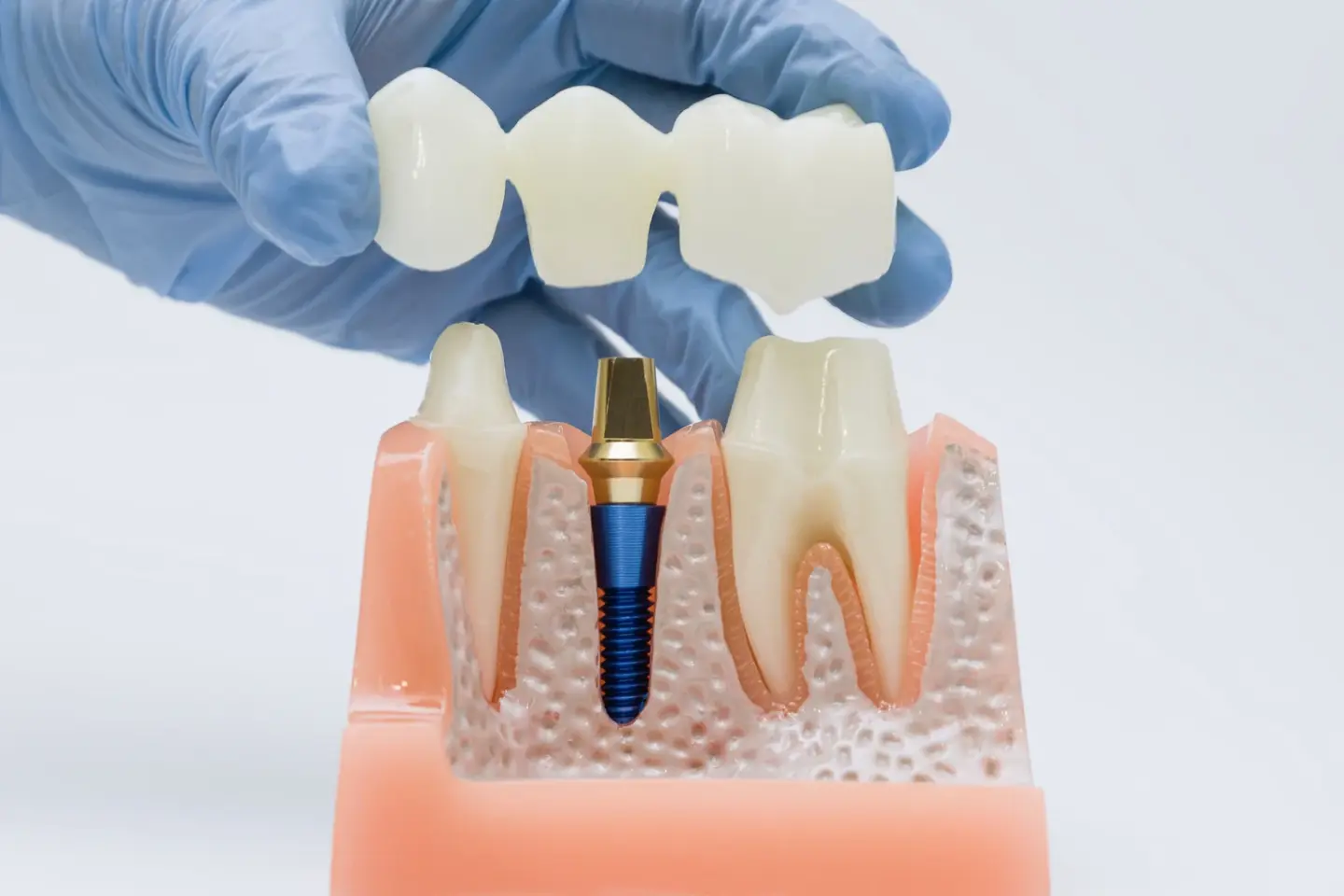
Yes, a dental crown can fall out while eating, and it is more common than most people expect. If it happens to you, keep the crown, avoid chewing on that side, and call your dentist the same day if you can. The tooth underneath is often still savable when it is checked promptly.
Imagine enjoying your favorite meal when you suddenly feel something hard in your mouth. You spit it out and realize it is your dental crown. It can be surprising, especially if the crown has been in place for years without causing any problems.
A dental crown protects a weakened or damaged tooth, restores its shape and helps you chew comfortably. Crowns are made to handle everyday biting forces, but they can still loosen or come off. Understanding why it happened and what to do next helps you protect the tooth.
Can a Dental Crown Fall Out While Eating?
Yes. Crowns are held in place with dental cement, and that bond can weaken over time. Certain foods and biting habits raise the chances of a crown coming loose, especially if the crown or the tooth underneath already has a problem.
Common situations include:
- Eating sticky foods such as caramel, chewing gum or toffee
- Biting into hard foods such as ice, hard candy or nuts
- Chewing on the side of a damaged or weakened crown
- Biting down with excessive pressure
- Eating normally when the cement has already started to weaken
Sometimes the crown does not come off because of something you ate. It may have loosened gradually from wear, decay or damage beneath the restoration, and dinner was simply the moment it let go.
Why Did It Come Off in the Middle of a Meal?
Usually one of three things is behind it: the cement under the crown had already weakened, there was decay or damage beneath it, or a sticky or hard bite pulled it free. Your dentist can tell which by looking at the crown and the tooth, and that decides whether it goes back on or needs replacing. If a crown keeps coming off again and again, our separate post on why a crown keeps falling off covers fit, bite and grinding in detail.
What Should You Do If Your Dental Crown Falls Out While Eating?
If your crown comes out during a meal, a few simple steps can prevent further problems.
Step 1: Take the Crown Out of Your Mouth
Carefully remove the crown if it is loose or sitting in your mouth. This keeps you from swallowing or inhaling it. If you think you swallowed or inhaled it, contact a healthcare professional promptly. Trouble breathing needs emergency medical attention.
Step 2: Find and Save the Crown
If you can, find the crown and keep it in a clean container. Do not throw it away, even if it looks damaged. Your dentist may be able to reuse it if the crown and the tooth are in good enough shape. Bring it with you to your appointment.
Step 3: Gently Clean the Crown and Your Mouth
Rinse your mouth gently with warm water to clear food particles. If the crown is intact, rinse it with water too. Do not use sharp objects or abrasive materials on it, and do not try to scrape off the old cement.
Step 4: Protect the Exposed Tooth
The tooth underneath may feel sensitive to cold, heat, pressure or sweets. Until your appointment:
- Avoid chewing on the affected side
- Choose soft foods
- Avoid sticky and hard foods
- Brush gently around the exposed tooth
- Skip very hot or cold foods if they cause sensitivity
If the tooth has a sharp edge, dental wax can temporarily protect your tongue or cheek.
Step 5: Call Your Dentist
Call your dental office as soon as possible. Even without pain, the exposed tooth can be vulnerable to damage and sensitivity. Your dentist will examine the tooth and the crown to decide whether it can be recemented or needs to be replaced.
Important: Do not use superglue, household adhesives or permanent glue to reattach a crown. These products are not made for use in the mouth and can cause harm.
What Will the Dentist Do When You Come In?
Knowing what to expect makes the visit easier. Your dentist will look at the crown and the tooth underneath, check for decay or cracks, and make sure the crown still fits properly. If everything looks healthy, the crown may be cleaned and bonded back on with fresh dental cement.
If a new crown is needed, the process is the same as for any crown. The tooth is prepared and impressions are taken, a dental lab makes the permanent crown, and a temporary crown protects the tooth in the meantime. At a second visit the dentist checks the shape, color and fit of the new crown and bonds it in place. You can read more about the process on our crowns and veneers page.
Can a Dental Crown Be Put Back After It Falls Out?
In many cases, yes. If the crown is intact and the tooth underneath is healthy enough, your dentist may be able to clean the crown and securely recement it. This depends on a few things:
- Whether the crown is cracked or damaged
- Whether the tooth underneath has decay
- Whether enough natural tooth structure remains
- Whether the crown still fits properly
If the crown cannot be reused, your dentist may recommend making a new one. If there is significant decay or a fracture, additional treatment such as a root canal or another restoration may be needed.
How Long Can You Leave a Tooth Without Its Crown?
Do not leave an exposed tooth without its crown any longer than necessary. Without it, the tooth may become sensitive and is more open to damage from chewing. The longer you wait, the greater the chance of complications, particularly if the tooth was already weakened. Try to book an appointment promptly instead of waiting for pain to start.
Seek urgent care if you have severe pain, swelling, signs of infection or a significant fracture. We offer emergency dental care for situations like these.
What Should You Eat and Avoid Until Your Visit?
Choose soft foods, chew on the opposite side and skip ice, sticky candy and anything hard until the tooth has been checked. Our post on everyday habits that can harm your teeth lists more to watch once your crown is back in place. A routine checkup and cleaning also lets your dentist spot a loosening crown before it comes off at dinner.
Frequently Asked Questions
Q. Can a dental crown fall out without pain?
Yes. A crown can loosen or come off without any pain. The tooth underneath may still have decay or damage that needs attention.
Q. Should I eat if my dental crown falls out?
It is better not to chew on the exposed tooth. Choose soft foods and chew on the opposite side until your dentist has looked at it.
Q. Can I put my dental crown back myself?
You should not permanently reattach a crown yourself. Contact your dentist for an exam and professional recementation if it is suitable.
Q. How long does a dental crown last?
Many crowns last for years. How long yours lasts depends on the material, your oral hygiene, your bite forces and how well the crown is maintained.
Q. Is a loose dental crown a dental emergency?
A loose or fallen crown usually needs prompt attention, even if it does not hurt. Severe pain, swelling, infection or significant tooth damage calls for more urgent care.
Q. Will I need a new crown if my old one falls out?
Not necessarily. If the crown is intact and the tooth is healthy, your dentist may be able to recement it. A replacement may be needed if the crown or the tooth is damaged.
Q. Can a crown fall out and be swallowed?
It can happen, which is why removing a loose crown from your mouth right away is a good idea. If you think you swallowed or inhaled it, contact a healthcare professional promptly.
Need Help With a Loose or Fallen Dental Crown? Contact Clinton Dental
A crown coming out at dinner is unsettling, but getting it checked quickly helps prevent bigger problems. Whether your crown is loose, has fallen out completely or has left the tooth sensitive, a dental exam can show what the next step should be. Clinton Dental is at 1175 Main St #8 in Clinton, MA, and you can call (978) 733-0045 or contact us online to schedule a visit and get your smile back on track.
Contact Us
You can call us or fill out this form, and we will get back to you soon.
Email us at clintondentalma@gmail.com
Call us at (978) 733 0045
Schedule Your Visit!
*Name
*Phone Number
*Message
We are committed to providing high-quality dental care personalized to each patient's needs, using the latest technology and techniques.


OVERVIEW
SERVICES
OFFICE HOURS
Mon - Fri: 9:00am - 05:00pm
Saturday: By Appointment
Sunday: Closed
Privacy Policy | © 2025 Clinton Dental | All Rights Reserved | Website Design by Remedo